
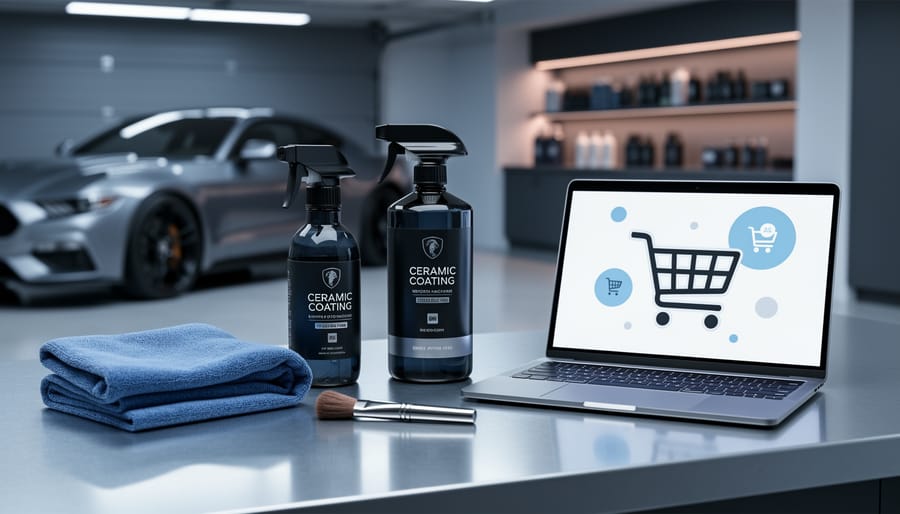
For entrepreneurs building niche retail ventures in 2026, specialist ecommerce stores focused on premium imported brands consistently outperform big-box retailers in customer loyalty, profit margins, and brand differentiation. The reason is simple: while big-box stores compete on price and convenience, specialist stores win by offering curated expertise, exclusive product access, and communities built around passion categories that large retailers can’t economically justify serving.
This distinction matters because the competitive landscape has fundamentally shifted. Big-box retailers now dominate commodity categories through economies of scale and distribution networks no small business can match. But that same scale becomes a liability when serving enthusiasts who demand product knowledge, rare imports, and specialized customer service. A car detailing enthusiast shopping for Japanese ceramic coatings doesn’t want a generic retail experience alongside laundry detergent. They want expertise, product stories, and access to formulations unavailable at mass retailers.
The data supports this shift. Specialist ecommerce stores in passion categories report average order values 3-4x higher than big-box equivalents, with repeat purchase rates exceeding 60% versus 25-30% for mass retailers. Premium imported brands provide the foundation for this advantage, offering differentiation that can’t be price-matched by larger competitors locked into domestic suppliers and razor-thin margins.
Understanding which model suits your entrepreneurial vision requires examining the operational realities, not just the romance of curation versus the efficiency of scale. Specialist stores demand different skills, capital structures, and growth trajectories than attempting to compete with established retail giants. Businesses like carcareproducts.com.au demonstrate how focusing on premium imported automotive care products creates defensible market positions that big-box retailers struggle to replicate, precisely because the business model prioritizes margin and expertise over volume and operational efficiency. Car Care Products works as a running example through this piece: a specialist range of premium imported detailing brands, sold with the product knowledge a generalist shelf cannot carry.
At-a-Glance: Specialist Ecommerce vs. Big-Box Retail
The fundamental differences between specialist ecommerce stores and big-box retailers become clear when you examine their contrasting approaches across five critical business dimensions. While big-box retailers optimize for volume and convenience, specialist stores compete through curation, authenticity, and depth of expertise in premium imported products.
| Dimension | Specialist Ecommerce | Big-Box Retail |
|---|---|---|
| Product Sourcing | Direct relationships with international artisans and boutique brands; exclusive import agreements | Mass-market procurement through distributors; limited premium import selection |
| Pricing Strategy | Premium positioning justified by authenticity, scarcity, and quality; higher margins per unit | Volume discounts and competitive pricing; thin margins compensated by scale |
| Customer Relationship | Community-building, education, and brand storytelling; repeat customers through expertise | Transactional efficiency and one-stop convenience; loyalty through breadth and price |
| Inventory Depth | Deep selection within narrow categories; curated assortment of 50-500 premium SKUs | Shallow selection across broad categories; thousands of SKUs with limited depth per category |
| Brand Positioning | Trusted curator and category expert; destination for discerning customers seeking authenticity | Convenient superstore meeting all needs; known for availability and predictable experience |
These contrasts reveal why specialist stores can thrive despite lacking the resources of big-box competitors. The specialist model turns apparent weaknesses into strengths by serving customers who value expertise over convenience and quality over price.
Understanding Each Business Model
What Specialist Ecommerce Stores Are
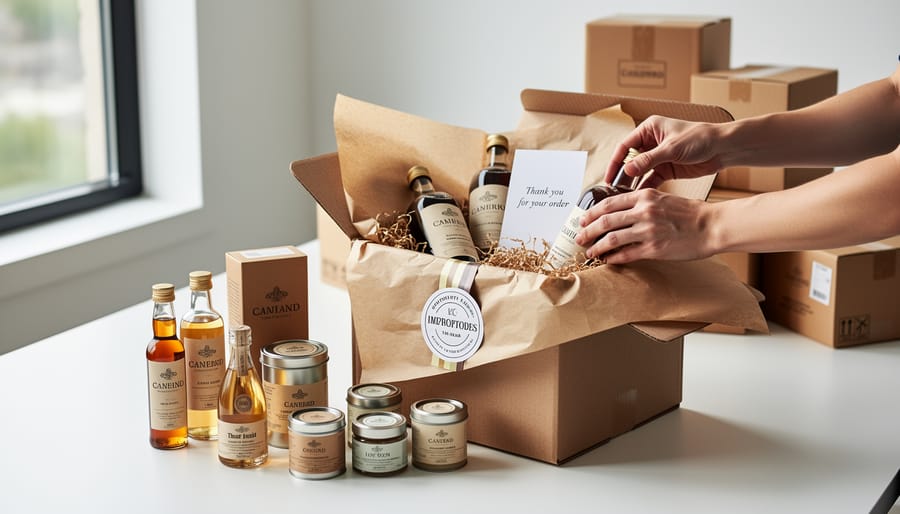
Specialist ecommerce stores are online retailers that deliberately narrow their focus to specific product categories, building expertise and authority within defined niches. Unlike broad marketplaces, these stores curate limited but carefully selected inventories, often between 50 and 500 SKUs, prioritizing quality and distinctiveness over endless choice.
The defining characteristic is their emphasis on premium imported brands that mainstream retailers overlook or can’t access. A specialist coffee equipment store might stock Japanese pour-over systems and Italian grinders from mid-sized manufacturers. A skincare specialist could feature Korean beauty brands unavailable in domestic chains. This selectivity creates competitive differentiation impossible for generalist retailers to replicate.
Their operational model runs lean by design. Most operate without physical inventory initially, using dropshipping or consignment arrangements with international suppliers. A single founder or small team handles everything from supplier relationships to content creation, keeping overhead minimal while maintaining quality control.
What truly separates specialists is their direct connection to brand origins. They negotiate directly with manufacturers in Germany, Japan, Italy, or other source countries, bypassing traditional importers and distributors. These relationships grant them exclusive rights, early access to new releases, and authentic product stories that resonate with discerning customers.
Community-building replaces traditional advertising. Specialists cultivate engaged audiences through educational content, product demonstrations, and user communities. They become trusted advisors rather than mere vendors, answering technical questions and offering post-purchase support that transforms buyers into advocates.
What Big-Box Retail Represents

Big-box retail describes large-scale operations, both physical warehouses and major online platforms, that serve millions of customers with a vast but generalist product selection. Think of the national supermarket chains, the warehouse clubs and the giant online marketplaces: massive inventory systems moving enormous volumes across thousands of SKUs.
The model runs on economies of scale. Big-box retailers negotiate rock-bottom wholesale prices through volume commitments, then pass modest savings to customers while maintaining thin but profitable margins. A single big-box store might stock 80,000 products; the largest online marketplaces host hundreds of millions. This breadth creates unmatched convenience: shoppers find everything from groceries to electronics under one roof or in one cart.
But this scale comes with strategic limitations. Product assortments skew mainstream, the highest-demand items that move fastest across the broadest demographics. Big-box buyers select for mass appeal, not niche sophistication. Premium imported brands rarely make the cut unless they’ve already achieved mainstream recognition. The buying process favors established distributors and large suppliers who can fulfill orders at scale, effectively locking out smaller international producers.
Their competitive advantages are formidable: instant brand recognition, sophisticated logistics networks, massive marketing budgets, and customer trust built over decades. They excel at price competitiveness and fulfillment speed. Same-day delivery, easy returns, and loyalty programs create powerful retention mechanisms.
Yet this dominance carries blind spots. Big-box retailers struggle to tell authentic product stories, educate customers on specialized categories, or serve passionate enthusiast communities, exactly where specialist ecommerce stores find their opening.
Product Sourcing and Brand Curation: Where Specialists Excel

Product sourcing represents the battleground where specialist ecommerce stores create their most defensible competitive advantages. While big-box retailers negotiate bulk contracts with distributors seeking the lowest per-unit costs, specialists forge direct relationships with artisan producers, heritage brands, and emerging international manufacturers who value curation over volume.
The specialist approach begins with relationship-building trips to production regions. Founders spend time in Italian leather workshops, Japanese textile factories, or Scandinavian design studios, meeting makers face-to-face and understanding their craft stories. These relationships yield access that big-box buyers, working through procurement catalogs and requesting bids for millions of units, simply cannot obtain. A ceramics specialist might secure the entire North American allocation of a small Portuguese pottery studio, creating genuine scarcity that commands premium pricing.
Contrast this with big-box sourcing departments that prioritize SKU count, consistent availability, and standardized packaging. Their buyers evaluate products primarily on margin calculations and turnover velocity. Premium imported brands with limited production runs or seasonal releases don’t fit the operational model that requires restocking stores nationwide every week. The result: big-box import selections skew toward mass-produced “premium-look” items rather than authentically crafted goods with provenance.
Specialist stores leverage several distinct sourcing advantages:
- Direct manufacturer relationships that eliminate distributor markups and enable custom ordering
- Exclusive distribution rights for specific regions or product lines
- First access to limited-edition releases and seasonal collections
- Authenticity guarantees backed by traceable supply chains
- Story-rich product backgrounds including maker profiles and production techniques
These advantages translate directly to competitive positioning. When a specialist stocks a Swedish outdoor brand unavailable elsewhere in North America, they’re not competing on price with big-box alternatives because no alternatives exist. The customer seeking that specific aesthetic, quality level, or brand story must buy from the specialist or go without.
Curation intensity also differs dramatically. Specialists might carry twelve carefully selected coffee makers, each representing a different brewing philosophy and design approach, complete with detailed comparisons and usage guides. Big-box retailers stock forty coffee makers spanning every price point, but provide minimal differentiation beyond features and price. The specialist’s depth beats the big-box’s breadth for customers who value expertise over choice paralysis.
Customer Experience and Brand Storytelling
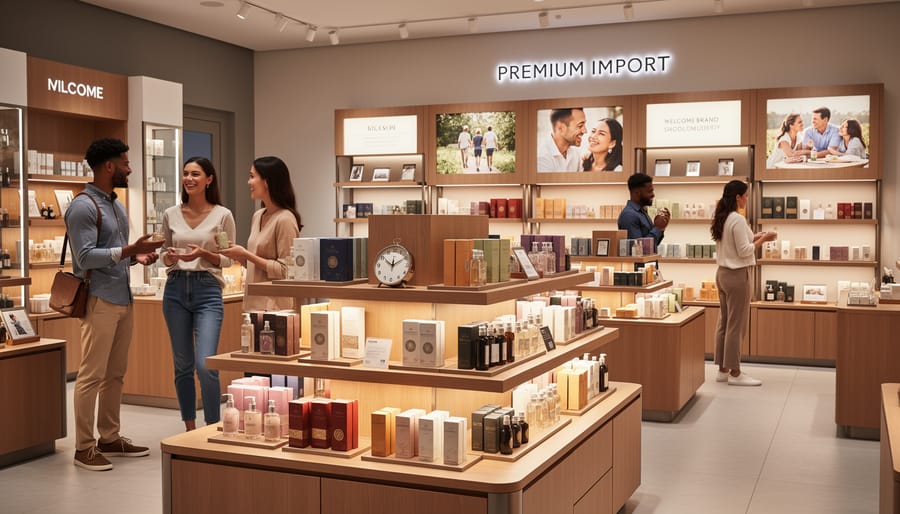
Customer experience separates specialist ecommerce stores from big-box retailers more than any other factor. While both aim to serve customers, they approach engagement from fundamentally different philosophies.
Specialist stores selling premium imports build experiences around discovery and education. When you browse a curated tea shop featuring Japanese ceremonial matcha, you’re not just selecting a product. You’re learning about Uji region cultivation practices, understanding the difference between ceremonial and culinary grades, and hearing stories about the third-generation farmers who stone-grind the leaves. The purchase becomes an entry point into a larger narrative about craftsmanship, tradition, and quality standards that mass retailers cannot economically replicate.
This storytelling extends beyond product descriptions. Specialist stores create content ecosystems with brewing guides, origin-visit documentaries, and interviews with artisans. They host virtual tasting sessions and build communities where customers share preparation techniques. The transaction is secondary to building knowledge and relationships. Customers return not just for products but for the expertise and community connection they cannot find elsewhere.
Big-box retailers optimize for the opposite end of the spectrum. Their customer experience prioritizes transactional efficiency. You want Earl Grey tea? They offer you a dozen options at various price points, fast checkout, two-day delivery, and hassle-free returns. The experience is frictionless but largely interchangeable. Whether you buy from one big-box retailer or another makes little practical difference.
This transactional efficiency has genuine value. When you need laundry detergent, printer paper, and snacks for tomorrow’s meeting, one-stop convenience matters more than artisan narratives. Big-box retailers excel at fulfilling straightforward needs quickly and predictably.
The specialist advantage compounds over time. Each educational touchpoint deepens customer engagement and willingness to pay premium prices. Big-box relationships remain transactional, customers switch retailers freely based on price or convenience. Specialists build loyalty through expertise, community, and the intangible value of being part of something distinctive rather than just another transaction.
Pricing Strategy and Value Perception
Pricing separates specialist ecommerce stores from big-box retailers more visibly than almost any other dimension. Big-box chains anchor their competitive strategy around volume discounts, private-label alternatives, and aggressive loss leaders designed to drive foot traffic and basket sizes. They price to move units quickly, accepting razor-thin margins on individual products while banking on operational efficiency and sheer scale. Consumers shopping at these retailers expect predictable discounts, seasonal promotions, and the lowest advertised price.
Specialist stores take the opposite approach. They command premium prices by positioning products as scarce, authentic, and superior in quality. A Japanese kitchen knife priced at $240 on a specialist site might sit next to a $45 mass-market equivalent at a big-box retailer, but the specialist justifies that differential through verified craftsmanship, direct import relationships, and transparent sourcing narratives. Customers pay more because they’re buying certainty: authentic provenance, expert curation, and products unavailable elsewhere.
This premium positioning requires storytelling that converts price objection into value recognition. Specialists explain why their Italian espresso machine costs three times the big-box version: hand-assembled components, 25-year manufacturer heritage, and direct relationships that eliminate middleman markups while ensuring quality control. A written content strategy becomes essential here, with detailed product descriptions, origin stories, and comparison guides that educate rather than simply list specifications. Educational content explaining quality differences and care requirements justifies higher prices while building customer confidence.
Social media marketing amplifies this value perception by showcasing products in aspirational contexts, sharing customer experiences, and demonstrating quality through visual storytelling. When written content wins by providing depth, the premium price feels earned rather than arbitrary. Specialist stores don’t compete on price; they compete on value articulation, making customers willing to pay more for demonstrable quality and authenticity that big-box retailers simply can’t match.
Marketing and Customer Acquisition
Specialist ecommerce stores and big-box retailers operate in fundamentally different marketing universes. Big-box chains pour millions into mass-market television spots, newspaper circulars, and Google Shopping campaigns designed to capture broad search terms like “coffee maker” or “sneakers.” Their strategy relies on reach and repetition: blanket exposure that keeps their name top-of-mind when consumers need everyday products. Promotional calendars drive the rhythm, Black Friday doorbuster deals, seasonal clearance events, and loss-leader pricing to pull foot traffic and click-throughs.
Specialist stores can’t compete on advertising budget, so they don’t try. Instead, they build authority through content that educates and engages. A shop selling Japanese kitchen knives might publish knife-sharpening tutorials, profiles of master bladesmiths in Sakai, and guides to steel types and heat treatments. This content attracts premium-seeking customers already past the awareness stage, people who know they want quality and are researching which specific products deliver it. Search visibility comes from depth, not breadth: ranking for “best Aogami Super gyuto under $300” matters more than fighting for “kitchen knife.”
Influencer partnerships work differently for specialists too. Rather than celebrity endorsements aimed at mass audiences, they cultivate relationships with niche experts: the home barista with 15,000 engaged followers, the vintage watch collector whose YouTube reviews shape purchasing decisions in that community. These micro-influencers carry credibility that broad-reach celebrities cannot match within specialized categories. Their audiences trust their judgment precisely because they’ve demonstrated deep knowledge over time.
Email lists and community spaces become powerful acquisition channels. Specialists build direct relationships through newsletters featuring new arrivals from specific regions, restocking alerts for coveted items, and behind-the-scenes supplier stories. Some create private Facebook groups or Discord servers where enthusiasts discuss products, share usage tips, and develop brand loyalty that transcends transactions. Big-box retailers send promotional blasts; specialists send conversations.
Social media strategy reflects this difference. Where big-box accounts post sale announcements and generic lifestyle imagery, specialist stores share origin stories, the family-owned Italian ceramics workshop, the process behind small-batch production, the cultural context that makes these imports meaningful. Entrepreneurs who leverage AI tools can scale this content creation while maintaining authenticity, using technology to research supplier backgrounds, draft educational posts, and analyze which stories resonate most with their audience. The content itself remains human-centered and narrative-driven, just produced more efficiently.
Customer acquisition costs often favor specialists despite smaller budgets. A $500 monthly content budget targeting “best Ethiopian coffee roasters for home brewing” converts better than $5,000 chasing “buy coffee online” against the big-box chains and the major marketplaces. The traffic volume is smaller, but the intent is higher and the competition is thinner. Specialists sacrifice scale for precision, building audiences who actively seek what only they offer.
Operational Advantages and Challenges
Behind the marketing and curation lies the operational reality that determines whether a specialist store thrives or struggles. Each model faces distinct challenges rooted in its structure.
Specialist ecommerce stores operate with lean inventory that’s both an advantage and constraint. You carry fewer SKUs but deeper knowledge of each product, allowing precise demand forecasting within your niche. When you source directly from European ceramics workshops or Japanese knife makers, you control stock levels without the bureaucracy of big-box procurement committees. This agility lets you test new products quickly and pivot based on customer feedback. The flip side: you lack buffer inventory. If a shipment from Italy gets delayed or a supplier faces production issues, you can’t pull stock from a warehouse network. You’re operating without a safety net.
Fulfillment speed is where big-box infrastructure dominates. Their distributed warehouses, negotiated shipping rates, and same-day delivery partnerships create expectations your single fulfillment center can’t match on speed alone. But you can compete on packaging quality and personal touches, handwritten notes, premium unboxing experiences, educational inserts about product origins, that turn delivery into brand reinforcement rather than transaction completion.
Returns handling reveals structural differences. Big-box retailers absorb returns through volume and vendor agreements. You’ll face higher per-return costs and more complex international exchanges when customers want to return that Swedish lamp. Build this reality into your margins from day one. Some specialist stores offset this through detailed product education and sizing guides that reduce return rates below industry averages.
Scalability challenges differ fundamentally. Big-box scales through replication and standardization. You scale through deepening supplier relationships, expanding adjacent categories, and building community loyalty. Your growth curve is steadier but limited by supplier capacity and your ability to maintain curation quality. The entrepreneur advantage: you can profitably serve markets too small for big-box attention, building sustainable businesses at scales that wouldn’t interest mass retailers.
Who Should Choose Which Model
When to Launch a Specialist Ecommerce Store
Launch a specialist ecommerce store when you possess genuine expertise in a specific product category and can articulate why certain imported brands matter. This model thrives when you understand quality markers, cultural context, and technical specifications that casual retailers miss. Your knowledge becomes the bridge between international artisans or manufacturers and customers who value authenticity over convenience.
Access to unique supplier relationships creates compelling launch conditions. If you’ve cultivated direct connections with premium importers, discovered underrepresented brands at international trade shows, or established trust with makers who don’t yet serve your market, you hold differentiation that big-box retailers cannot replicate quickly. Exclusive distribution agreements or first-mover advantage in bringing specific imports to your region justify the specialist approach.
Underserved niche markets signal opportunity. When passionate enthusiasts currently cobble together purchases from multiple generic retailers or resort to expensive international shipping, you’ve identified demand without adequate supply. Look for communities actively discussing products online but lacking dedicated retail options.
Your community-building abilities matter as much as business acumen. This model demands patience for content creation, genuine engagement in enthusiast forums, and willingness to educate rather than simply transact. If you energize when explaining product stories and connecting like-minded customers, specialist ecommerce aligns with your strengths.
When Big-Box Partnership or Competition Makes Sense
While specialist ecommerce stores thrive in premium imported niches, some entrepreneurs find greater success working alongside or directly competing with big-box retailers. This approach makes strategic sense when your product positioning aligns with mass-market dynamics rather than exclusivity.
If you’re sourcing products already widely available through multiple channels, the specialist model loses its fundamental advantage. Established categories with standardized offerings, think basic household goods, commodity electronics, or mainstream fashion, favor big-box efficiency over curation. When customers already know what they want and prioritize convenience and price over discovery, competing on volume becomes viable.
Partnership opportunities emerge when you can supply big-box retailers as a vendor rather than compete for end customers. Entrepreneurs with manufacturing capabilities or exclusive distribution rights might generate better returns selling wholesale to major retailers than building direct-to-consumer operations. This route provides immediate scale and predictable order volumes without marketing costs.
The big-box approach also suits founders who lack deep category expertise or established supplier relationships. If you cannot articulate why your curation matters or educate customers about product origins, competing on operational efficiency and price optimization becomes the clearer path.
Consider this model when speed-to-market trumps brand building, when your competitive advantage lies in logistics rather than storytelling, or when target customers view your category as transactional rather than aspirational.
Common Questions About Competing in Specialized Retail
Starting a specialized retail business focused on premium imports raises practical questions that most business guides gloss over. Here are the concerns entrepreneurs consistently face when entering this competitive space.
What minimum order quantities do premium international suppliers require?
Most premium brands require initial orders between $2,000 and $10,000, though some artisan suppliers accept smaller test orders of $500 to $1,000 for new retailers who demonstrate serious market knowledge. Building relationships through trade shows and direct outreach often unlocks more flexible terms than standard distributor agreements.
How do I handle customs duties and import compliance without a logistics team?
Partner with a customs broker who specializes in your product category, expect to pay $150 to $300 per shipment for their services. Many brokers offer educational onboarding that teaches you classification codes and documentation requirements, allowing you to eventually handle routine shipments yourself while they manage complex cases.
How can a new store build brand trust when competing against established big-box names?
Focus relentlessly on demonstrating expertise through detailed product education, transparent sourcing stories, and responsive customer service that answers questions big-box support teams cannot. Customer testimonials featuring specific use cases and problems solved carry more weight than any marketing claim.
Should I try to match big-box pricing on comparable items?
Never compete on price alone, because you will lose that battle every time against retailers with vastly superior purchasing power. Instead, emphasize authenticity, exclusivity, expert curation, and the intangible value of supporting specialized businesses that big-box competitors cannot replicate.
The timing question around expanding product lines deserves careful consideration. Many specialist stores fail by adding too many categories too quickly, diluting the expertise that attracted customers initially. A better approach involves deepening your existing category first, adding complementary brands and product variations that serve your core customer base better. Only expand into adjacent categories once you have achieved strong market penetration in your primary focus, typically after 18 to 24 months of consistent sales growth and when customer requests for related products become frequent and specific.
Sourcing challenges diminish significantly as your business matures. Initial suppliers often introduce you to other premium brands seeking U.S. distribution, and your growing sales history makes negotiations easier. Track your per-unit costs, shipping times, and supplier reliability metrics from day one, this data becomes invaluable leverage when requesting better terms or exploring new partnerships. The relationships you build during your first year of operations often determine your competitive positioning for years afterward, so invest time in becoming a partner suppliers want to work with rather than just another account.
The competitive edge for specialist ecommerce stores has never been about outscaling the major marketplaces or matching a national chain’s distribution network. It’s about owning what big-box retailers fundamentally cannot: genuine curation, deep product knowledge, and communities built around shared passion for quality and authenticity.
Premium imported brands represent more than inventory differentiation. They embody a positioning strategy that turns traditional retail disadvantages into competitive moats. Where big-box stores optimize for breadth and turnover, specialists win by going impossibly deep into categories, building direct relationships with international makers, and becoming the trusted authority their customers cannot find elsewhere.
For entrepreneurs eyeing this model in 2026, success demands resisting the temptation to expand too quickly or chase mass-market appeal. Your sustainable advantage lives in staying focused: fewer products chosen with uncompromising standards, stories told with firsthand expertise, and customers who become advocates because you solved problems the giants ignore.
Start by identifying one underserved premium category where you possess genuine expertise or access. Build direct supplier relationships before perfecting your website. Create content that educates rather than just promotes. Measure success not by competing with big-box transaction volumes, but by customer lifetime value, repeat purchase rates, and community engagement depth.
The specialist model thrives precisely because it refuses to play by mass retail rules. Your constraints become your positioning, and your passion becomes your product.